
Show summary Hide summary
- Why Draining Your Hot Tub Isn’t Just About Clean Water
- How Long is Too Long? The Surprising Truth Behind ‘Safe’ Drain Intervals
- Red Flags: The Unseen Signs Your Hot Tub Needs Draining Now
- The Risks of Waiting: Damage, Health, and Hidden Costs
- So, How Often Should You Really Drain Your Hot Tub?
- Bottom Line: Why Skipping This Step Can Cost You More Than You Think
When was the last time you drained your hot tub? If you have to think about it, you might already be overdue. Most hot tub owners follow the advice of manuals or online forums, setting drain intervals by the calendar or water’s appearance. But safe water isn’t just about crystal clarity. Lingering too long between drains can invite invisible risks into your tub, making each soak less relaxing and potentially more hazardous than you realize.
This article isn’t a scolding. It’s a wake-up call for anyone who believes they’re playing it safe but could actually be playing with hidden dangers. We’ll uncover the real reasons why skipping or stretching your draining routine can threaten your health, wallet, and even the longevity of your hot tub. If you’re wondering whether your next soak is as safe as it feels, keep reading to discover the overlooked warning signs and what every hot tub owner truly needs to know.
Why Draining Your Hot Tub Isn’t Just About Clean Water
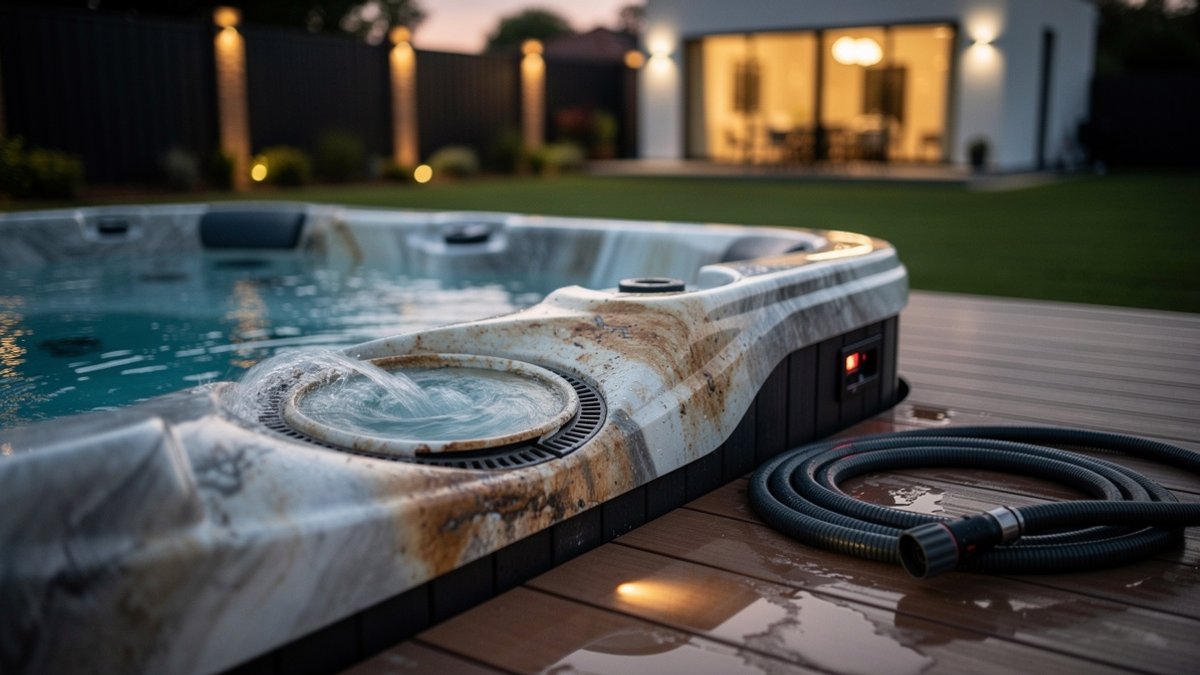
Even if your water looks clear, unseen dangers may be lurking beneath the surface. Every soak leaves behind invisible traces—body oils, lotions, and organic debris—that escape your hot tub’s best filters. These create the perfect environment for stubborn biofilm to develop along plumbing and shell surfaces, making bacterial growth almost inevitable over time.
Building Your Own House: Step-by-Step, Hidden Costs & Pitfalls
Everything You Should Know About Adding a Second Story to a House
Chemical treatments like chlorine and bromine can only do so much, especially as water chemistry shifts with each use. As chemical build-up accumulates, not only does efficiency decline, but unexpected side effects can emerge, like itchy skin and pungent odors. In the long run, ignoring drain schedules doesn’t just risk user health. Residue and bacteria can quietly damage the inner workings of your hot tub, shortening its lifespan and pushing repair bills higher than most owners expect.
If you haven’t drained your hot tub in a while, your water could be hiding more than you think—and the consequences are far more urgent than a cloudy soak. If you’re interested in broader outdoor upkeep, explore our advice on crabgrass prevention for a healthier backyard environment.
How Long is Too Long? The Surprising Truth Behind ‘Safe’ Drain Intervals
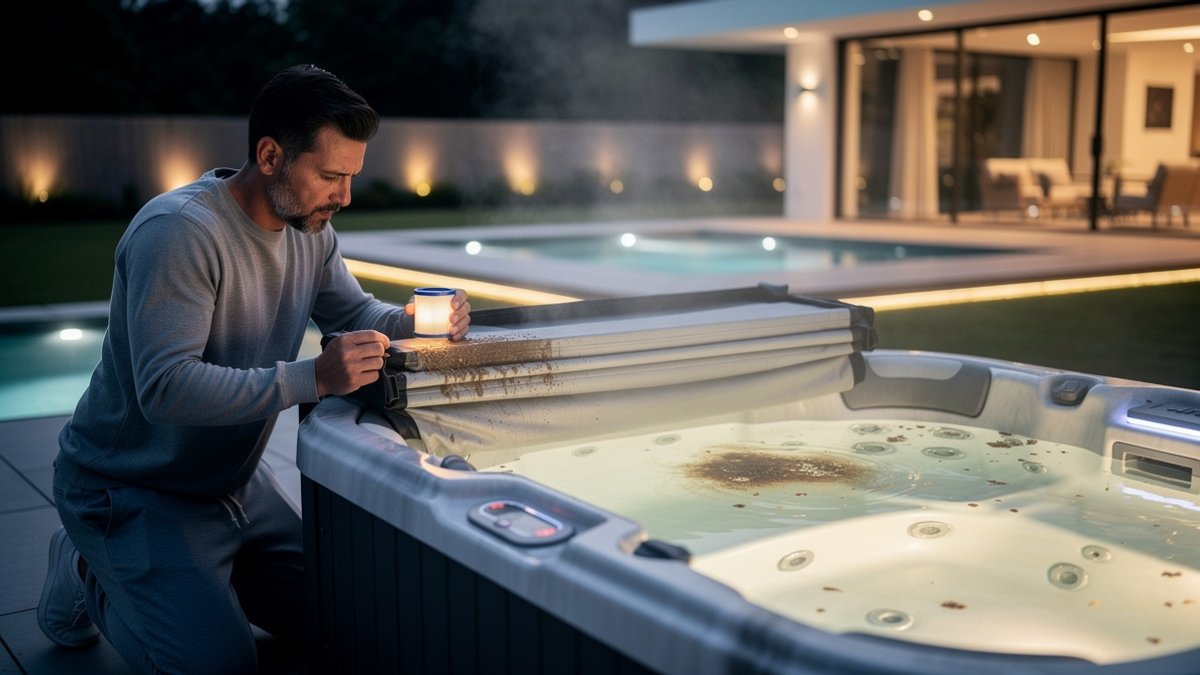
That “drain every three or four months” rule you’ve heard is just a starting point, not a universal standard. Consider this: a hot tub used daily by a family of four at 104°F, especially in a humid climate, builds up organic residue, microbes, and minerals at a breakneck pace compared to a spa used sparingly. Bather load, water temperature, and your local climate all accelerate the decline of water quality—and no amount of sanitizer will hit pause on chemistry.
Studies analyzing Total Dissolved Solids (TDS) reveal that hot tub water can reach concerning levels weeks before the “recommended” interval, especially if maintenance schedules don’t reflect real-life use. Spa technicians agree: when sanitizer levels are tough to balance or water starts “eating” chemicals faster than usual, it’s often a red flag your tub is overdue for draining. Relying on generic intervals ignores the messy reality of real-world usage and could see you soaking in water that’s riskier than it appears. For further maintenance optimization, see our guide on overlooked cleaning spots in the home.
Red Flags: The Unseen Signs Your Hot Tub Needs Draining Now
One whiff of a sharp chloramine odor—or even something mustier—suggests your water balance is failing you. Cloudy water or unexpected foam might seem like minor nuisances, but both can reveal that contaminants are outpacing your sanitizer’s power. Test strips delivering erratic pH results or undetectable sanitizer levels also wave a red flag, hinting at brewing problems beneath the surface.
Most hot tub owners miss the real warning signs: physical discomfort is a critical one. Itching or skin irritation after a soak, even when the water appears clear, often signals severe water clarity or irritant symptoms. Ignore these, and you risk more than just murky water—you invite bacteria and stubborn biofilm to take hold.
The Risks of Waiting: Damage, Health, and Hidden Costs
Letting months slip by without draining your hot tub exposes you to more than murky water. Water that has sat too long becomes a breeding ground for bacteria like pseudomonas and legionella, notorious for causing respiratory illnesses and skin rashes that can linger or become severe. Even when you can’t see the risk, contaminated water puts your family and guests at risk for infections most people associate with dirty locker rooms, not a backyard soak.
Neglecting to drain your tub doesn’t just endanger health—it quietly sabotages your equipment. Scale quietly builds up on heater elements, pumps, and jets, leading to corrosion and system failure much sooner than careless owners expect. The result? Pump failure or cloudy water that never clears, and repair bills that sting. Many hot tub warranties and homeowner insurance policies won’t cover damage if you haven’t followed the manufacturer’s recommended drain schedule. The fine print could leave you on the hook for costs, making a routine task suddenly critical to your wallet.
So, How Often Should You Really Drain Your Hot Tub?
The 1/3 rule offers a smart baseline: divide your spa’s gallon capacity by three, then divide by average daily bather use to find your ideal drain interval in days. But numbers only tell part of the story. A TDS test can reveal when dissolved solids spike, warning you to drain even sooner if levels climb rapidly. Sometimes, you’ll need to break the rules—heavier use, frequent parties, or chemical imbalances all shrink your safe window. Modern owners set maintenance reminders or use a maintenance tracker to lock in preventive care. Smart tracking protects your investment and everyone’s health.
Bottom Line: Why Skipping This Step Can Cost You More Than You Think
A Daughter Transformed Her Mom’s ’70s House for Four Generations
Should You Worry About Foundation Cracks After a Thaw?
Neglecting to drain your hot tub at the right intervals is a shortcut to premature wear and escalating long-term costs. Minerals, biofilm, and sanitizer byproducts gradually eat away at surfaces and equipment, silently diminishing your spa’s lifespan—sometimes by years. The truth is, deferring this essential step isn’t just a matter of inconvenience or minor risk management; it’s a bet against your own investment.
Ask yourself: is the comfort of your next soak really worth the gamble? With proper draining, you’re protecting not just your equipment but your peace of mind. Take control now, and keep your hot tub—and yourself—out of the danger zone.