
Show summary Hide summary
- What’s Behind the Buzz? The Unexpected Perks of a Solar-Powered Bird Bath
- Breaking Down the Details: What $50 Really Gets You
- What Most Birdwatchers Miss: The Hidden Drawbacks Worth Noting
- Real Users, Real Results: Does the Experience Match the Hype?
- Should You Jump on The Deal? Who This Bird Bath Is (And Isn’t) For
- FAQ
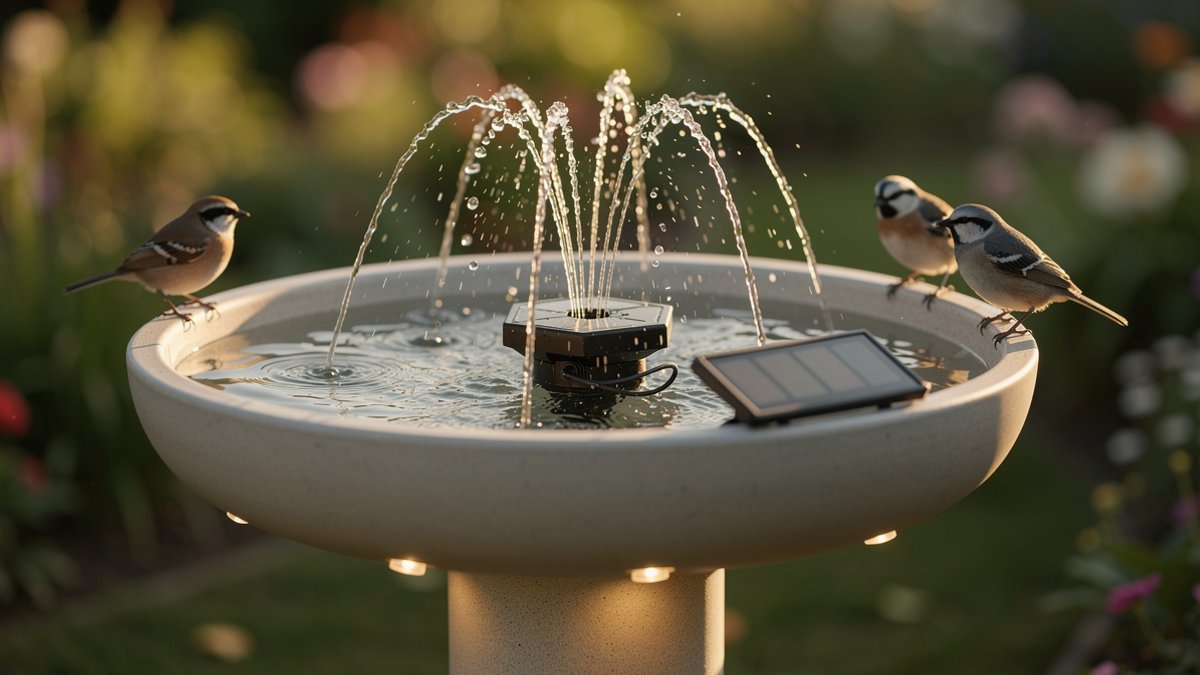
If you spot a flurry of bird activity in backyards this spring, a big reason might be the new trend in outdoor décor: solar-powered bird baths that combine a bubbling fountain with built-in solar lights. This Pretty Bird Bath Has a Fountain, Solar Lights, and Just Dropped Under $50 in Time for Birdwatching Season—and it’s catching the attention of both seasoned birdwatchers and people who just want something a little magical in their garden. Why this sudden spike in interest? It’s not just the price tag or the novelty factor.
Bird baths used to be little more than decorative bowls, but the latest solar models are quietly changing the game. These upgrades don’t just look charming after dusk, they actually attract more feathered visitors and create new opportunities for anyone hoping to slow down and observe backyard wildlife. Before the season hits its peak, here’s what you need to know about the sub-$50 solar fountain bird bath that’s making a splash—and how it might change the way you think about your own outdoor space.
What’s Behind the Buzz? The Unexpected Perks of a Solar-Powered Bird Bath
Gardeners upgrading from a plain basin are discovering that today’s best bird baths do much more than offer clean water. Models that combine a fountain and integrated solar lights can pull double or even triple duty, earning their spot in a garden not just as décor but as genuine bird magnets. The gentle sound of a bubbling fountain pulls in everything from finches to cardinals, while evening solar illumination creates a safe, softly glowing stopover after dusk—a detail rarely found on traditional fixtures.
Do Crushed Red Pepper Flakes Really Deter Garden Pests? Entomologist Insight
Garden Seating Ideas to Create an Outdoor Living Room Oasis
- The gentle sound of a bubbling fountain pulls in everything from finches to cardinals.
- Evening solar illumination creates a safe, softly glowing stopover after dusk—a detail rarely found on traditional fixtures.
But the real kicker for most backyard enthusiasts is how hands-off these solar-powered bird baths turn out to be. Forget hunting for extension cords or replacing batteries. Sunlight keeps water moving and lights glowing, which has a direct ripple effect: circulating water is less likely to attract mosquitoes, and moving features genuinely draw in more birds, which are instinctively cautious of stagnant pools. This practical twist is why a $50 garden upgrade is suddenly influencing birdwatching habits, bridging style, sustainability, and the pleasure of spotting real wildlife up close.
Breaking Down the Details: What $50 Really Gets You
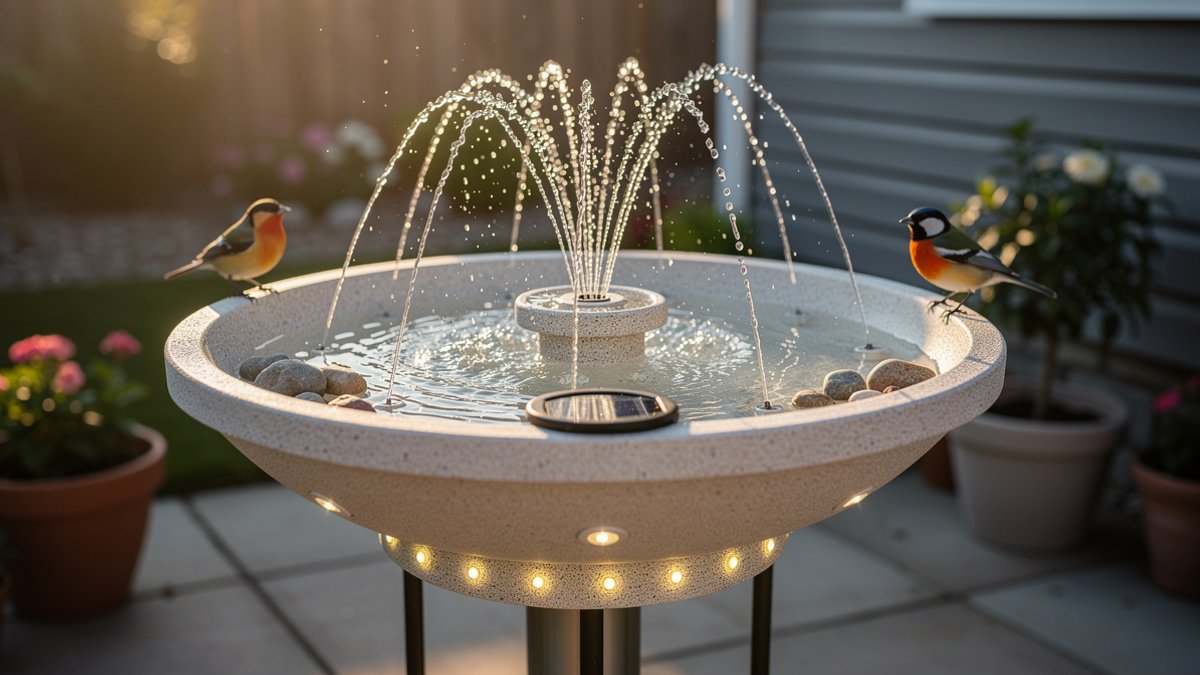
- The design packs in features that would have been luxuries just a few years ago.
- The resin body feels surprisingly sturdy for the price, resisting the warping and fading that often plague bargain finds.
- At roughly 28 inches tall, it offers enough depth for robins but a gentle slope for finches and hummingbirds to join in—a detail that matters more than style when you’re hoping to support healthy feather care.
The real magic is in the solar panel. Its efficiency means the fountain starts bubbling with just moderate sunlight, keeping water circulating even on mixed-cloud days. Water movement is crucial for attracting birds and discouraging mosquitoes. LED lights add a subtle glow after dusk, solving a classic bird bath problem: spotting visitors in the early evening or at dawn. While easy setup is a plus for any backyard upgrade, here it also protects both birds and your time—no electrical lines, no fuss, just plug and play in the sun. The result is eco-friendly, low-maintenance, and unexpectedly functional.
What Most Birdwatchers Miss: The Hidden Drawbacks Worth Noting
- Solar efficiency drops during cloudy stretches, so both the fountain and the solar lights may sputter to a stop, especially if there’s no built-in battery backup. That means the visual appeal—and the water movement birds love—may sometimes vanish right when you want it most.
- Regular maintenance is also more demanding than most expect. Evaporation happens quickly with moving water, and the gentle hum of a fountain can actually discourage more cautious species from visiting.
- This latest sub-$50 model quietly improves on bird safety, with sloped edges and easy-clean design. Still, those who imagine effortless, hands-off birdwatching should know that a little upkeep is part of the bargain for all its modern perks. If you’re interested in other easy garden upgrades, you might also consider evergreen trees for small yards as a way to bring low-maintenance beauty to your outdoor space.
Real Users, Real Results: Does the Experience Match the Hype?
Customer reviews for this solar-powered bird bath reveal a clear pattern: more birds are showing up, and a wider range of species are making appearances after installation. One user, pleasantly surprised, noted everything from robins to goldfinches stopping by—the fountain’s gentle trickle seems to attract feathered visitors that ignored traditional bird baths. Assembly is frequently described as straightforward, with most reporting the setup took less than 20 minutes. Durability, especially through a full season outdoors, receives mixed marks but trends positive at this price point. Most buyers mention that both the fountain and the solar lights performed as advertised, an uncommon win in the budget outdoor category. For those seeking a quick backyard birdwatching upgrade, purchase satisfaction appears to be the rule, not the exception. If you want to further refresh your backyard, check out these outdoor plant planter ideas for more inspiration.
Should You Jump on The Deal? Who This Bird Bath Is (And Isn’t) For
If your backyard is calling out for a quick garden upgrade, and you love the idea of effortless seasonal birdwatching, this solar-powered bird bath fits squarely into the sweet spot of budget-friendly and impactful. It is especially well-suited to anyone seeking to attract more songbirds or add a touch of kinetic beauty to their garden design, without the hassle of complicated installation or wiring. Even renters or those with limited space find it easy to move and set up. If you enjoy creative landscaping, you may also be interested in exploring a raised garden bed layout for your garden.
However, if your local climate is persistently cloudy, or you crave a more traditional, heavy-stone look, a different style may serve you better. Likewise, anyone hoping to support a large wildlife habitat with continuous water flow might need a hardwired model. Still, for many, jumping in now—while it’s under $50—could genuinely transform your backyard into a lively birdwatching haven all season long.
FAQ
How do I maintain a solar bird bath fountain to keep it running smoothly?
Rinse the fountain and bird bath with fresh water weekly to remove debris and algae. Ensure the solar panel remains clean and free from obstructions for best performance.
Will a solar bird bath fountain still work on cloudy days?
Most solar bird bath fountains will operate at reduced capacity on overcast days, as they rely on sunlight to power the pump and lights. Performance is best on sunny days, but some models may store limited energy for brief use in low light.
Are solar bird bath fountains safe for birds and other wildlife?
These Are the Top 6 Grass Seeds We Tested for Thick Lawns
What to Do If a Bird Builds a Nest in an Inconvenient Spot
Yes, solar bird bath fountains provide circulating, fresh water, which is healthier for birds than stagnant pools. They also help deter mosquitoes, making your garden a safer place for wildlife.
Can I leave a solar bird bath fountain outside during winter?
If temperatures drop below freezing, it’s recommended to store the fountain and solar components indoors to prevent damage. In mild winters, you can keep it outside but may need to check for ice accumulation.