
Show summary Hide summary
- Why Crabgrass Is a Stubborn Invader: Understanding the Challenge
- How to Choose the Right Crabgrass Killer for Your Lawn
- The 7 Best Crabgrass Killers: Pros, Cons, and Ideal Use Cases
- Expert Tips: Maximizing Results and Preventing Future Outbreaks
- Eco-Friendly and Pet-Safe Alternatives: Finding a Balanced Approach
- FAQ
Every lawn enthusiast knows that crabgrass is one of the toughest opponents in the battle for a lush, healthy yard. Finding the most effective solution can feel overwhelming, but tackling this pesky weed is achievable with the right approach. In this guide, we present the 7 best crabgrass killers to tackle stubborn weeds, not just as a simple list, but as a practical comparison focused on real-world results and tailored recommendations. Whether you are a homeowner, passionate gardener, or searching for environmentally mindful options, this article offers clarity and confidence in choosing the best fit for your unique lawn.
We’ll break down how each crabgrass killer performs in various situations, from small backyard patches to lawns facing heavy infestations. Along the way, you’ll learn how to assess your own needs, understand what really works in different scenarios, and discover tips that make a genuine difference. By demystifying the selection process and sharing proven strategies, we aim to help you reclaim your green space from the relentless grip of crabgrass—once and for all.
Why Crabgrass Is a Stubborn Invader: Understanding the Challenge
Crabgrass is an annual weed renowned for its rapid spread and ability to outcompete healthy turf, making lawn invasion a recurring headache for homeowners and lawn care professionals alike. This stubborn plant thrives during warm seasons, germinating in spring and producing thousands of seeds before the first frost. Its aggressive growth habit allows it to quickly dominate any weak or bare spots, making control difficult with generic weed solutions. Successful management requires targeted crabgrass control strategies that address not only current outbreaks but also prevent future infestations, protecting your lawn’s health over the long term.
How to Repot a Peace Lily for Faster, Healthier Growth & More Flowers
What to Plant Where Grass Won’t Grow: 9 Shade-Loving Lawn Grasses
How to Choose the Right Crabgrass Killer for Your Lawn
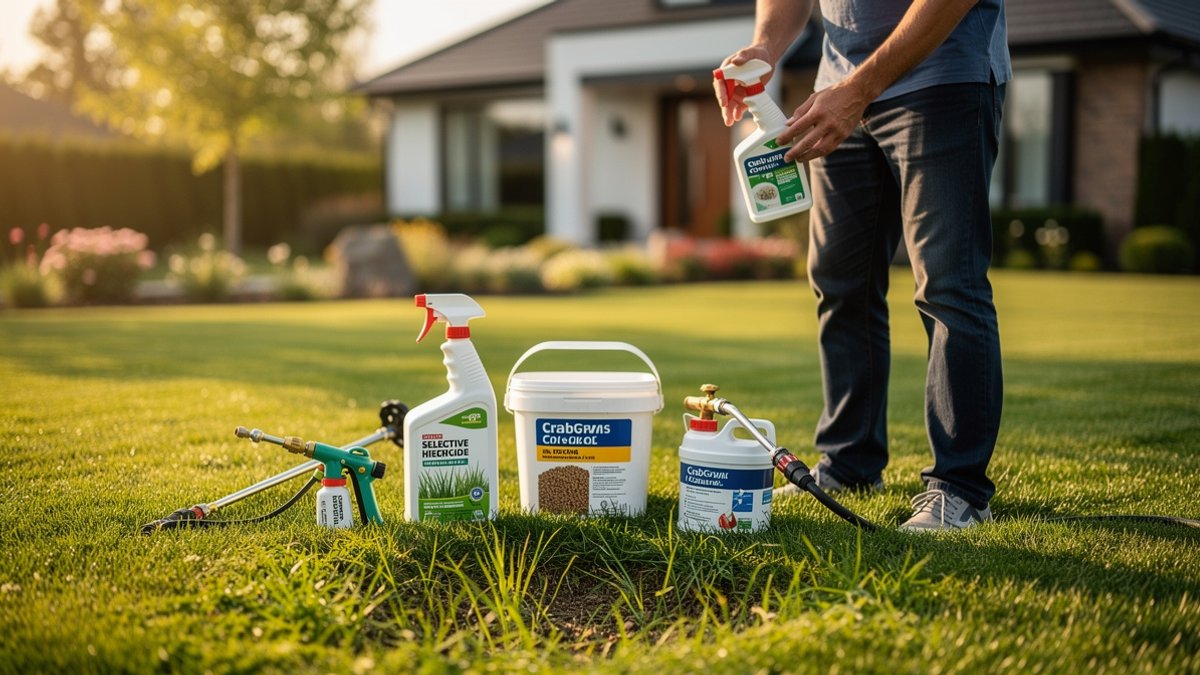
- When selecting a crabgrass killer, consider your lawn type—cool or warm-season grasses respond differently to herbicides.
- Climate and your lawn’s tolerance to chemicals also matter.
- Matching the right solution ensures healthier turf and more effective weed management.
- Homeowners will need to decide between pre-emergent formulas, which prevent crabgrass seed germination, and post-emergent treatments that target visible weeds.
- Choose between selective herbicides for targeted action or non-selective products for broader control.
- Always factor in the recommended application method to suit your property’s conditions for successful, long-term crabgrass prevention.
The 7 Best Crabgrass Killers: Pros, Cons, and Ideal Use Cases
When it comes to tackling stubborn crabgrass, not all weed control products are created equal. The right crabgrass killer can depend as much on your specific lawn needs as on the product’s formula and coverage. Here’s a comparison of the top options, each with their unique strengths to fit different situations and lawn types.
- Among pre-emergent herbicides, products using pendimethalin or dithiopyr as their active ingredient are renowned for stopping crabgrass seeds before they sprout. These are excellent choices for homeowners who want to nip infestations in the bud, especially in large areas where proactive, season-long protection is key. Their granular formula is typically applied in early spring and is popular for cool and warm-season grasses alike, but it’s not suitable if crabgrass has already appeared.
- For established weeds, post-emergent crabgrass killers formulated with quinclorac or fenoxaprop-p-ethyl stand out. These solutions target young, actively growing crabgrass without severely harming lawn grasses. Liquid sprays with these active ingredients are especially useful for spot treatment and are ideal for those facing a sudden outbreak. Their herbicide effectiveness is often visible within days, making them ideal when a quick response is needed. However, some may have restrictions for use on newly seeded lawns or certain grass varieties, so always check compatibility.
- If your lawn is home to pets or children, looking for a crabgrass killer with a more natural formula, such as those containing vinegar-based or fatty acid herbicides, can offer peace of mind. While not as potent against mature infestations, these products are popular for eco-conscious gardeners or for maintaining play areas with light to moderate weed pressure. Effectiveness can be lower than chemical alternatives, but reapplication and integrated weed control strategies can help supplement their performance. For more on maintaining your garden safely, read our guide on removing grass from flower beds without damaging your other plants.
- Some weed control solutions offer broad-spectrum action, combining crabgrass prevention with the ability to tackle other common lawn invaders. These combination herbicides often use a mix of selective ingredients and are best suited for mixed-weed lawns with high coverage area, saving time and effort. However, frequent use can impact soil health over time, making them better as a corrective than a preventative measure.
In sum, the best crabgrass killer depends on the lawn’s unique needs, desired coverage area, and your priorities for long-term weed management. Whether you need a powerful knockdown, a preventive approach, or a kid-safe formula, matching the right active ingredient and product type to your situation will ensure the most successful and sustainable weed control results.
Expert Tips: Maximizing Results and Preventing Future Outbreaks
- For the most effective crabgrass control, experts emphasize the importance of application timing. Applying your chosen crabgrass killer when the weed is actively growing, typically in late spring or early summer, ensures the best results. Always follow label instructions for safe and uniform coverage.
- To prevent regrowth, regular lawn maintenance plays a key role. Keep your grass healthy by mowing at the proper height and watering deeply but infrequently, as a dense lawn can crowd out new crabgrass seedlings. Overseeding thin spots in the fall helps maintain thick turf, further suppressing future outbreaks. Discover more helpful strategies in our article on why your lawn remains brown despite adequate watering.
- For ongoing success, consider integrated weed management, which combines cultural practices like overseeding and preventative care with targeted chemical treatments. This balanced approach not only controls existing infestations but also fortifies your lawn against future invasions.
Eco-Friendly and Pet-Safe Alternatives: Finding a Balanced Approach
For families and pet owners concerned about environmental impact, organic weed killer and natural herbicide options offer a safer path to crabgrass control. While eco-friendly, pet-safe formulas are often less potent than chemical solutions, they minimize risks to kids, animals, and pollinators. Balancing efficacy with environmental safety means repeated applications may be needed, especially with heavier infestations. Ultimately, choosing natural methods supports a healthier yard and peace of mind, especially when long-term well-being matters most. If you’re looking for more ways to create a vibrant landscape effortlessly, see our guide on effortless spring bulbs for vibrant low-maintenance gardens.
FAQ
What is the most effective method for crabgrass control in my lawn?
The most effective crabgrass control involves using a targeted crabgrass killer suited to your lawn type and applying it at the right time. Combining pre-emergent and post-emergent products often yields the best results for long-term management.
When should I apply products for crabgrass control?
For successful crabgrass control, apply pre-emergent herbicides in early spring before seeds germinate and post-emergent killers as soon as you spot new crabgrass growth. Timing is critical for preventing the weed from spreading throughout the season.
Are natural options available for crabgrass control?
Yes, there are natural crabgrass control methods, including organic herbicides and manual removal. While these may require more effort and frequent application, they can be effective for smaller infestations or eco-friendly gardening.
Will crabgrass control harm my existing lawn?
Overlooked Yard Spots Perfect for Mulching You Haven’t Tried Yet
Plants Gardeners Recommend Avoid Growing from Seed
Most reputable crabgrass control products are formulated to target weeds without damaging healthy grass when used as directed. Always follow label instructions and choose products that are compatible with your specific grass type for best results.
How can I prevent crabgrass from coming back after treatment?
To prevent future outbreaks, combine ongoing crabgrass control with good lawn care practices such as regular mowing, overseeding bare spots, and maintaining healthy, dense turf. Applying pre-emergent herbicides each spring also helps stop new crabgrass seeds from germinating.