
Show summary Hide summary
- Why Does Your Compost Really Smell? Debunking Popular Myths
- Stop! The Fixes That Often Backfire (and What Really Works)
- 7 Must-Know Tips for a Fresh, Fast-Working Compost Pile
- Do You Recognize These Hidden Smell Traps?
- The Real Cost of Ignoring Compost Odors—and Why Fast Action Matters
- FAQ
- What is the fastest way to fix a compost pile that smells bad?
- Are there safe materials I can add to prevent my compost pile from smelling?
- Does a smelly compost pile mean it is unsafe to use in the garden?
- How often should I turn my compost pile to stop bad smells?
- Will adding more kitchen scraps get rid of compost pile smells?
You haul out the food scraps and lovingly layer them, but one morning your compost pile smells and hits you with a stench that could empty a neighborhood. If you feel embarrassed about your smelly heap, stop. You are far from alone, and most “solutions” people suggest make things worse. It is time to fix your smelly compost pile fast with these 7 must-know tips—and, more importantly, stop sabotaging your own success.
Rot and stink are not the price you pay for making great compost. In fact, if your pile smells, it is waving a red flag that something basic is off. Most of what people “know” about compost odor is either outdated or just plain wrong. Skeptical? Good. Because what comes next is a no-nonsense, myth-busting look at why those classic fixes backfire—and exactly how to turn your reeking pile into rich, earthy goodness in record time.
Why Does Your Compost Really Smell? Debunking Popular Myths
Think a bad compost odor is “just part of the process”? That myth keeps piles stinking for months and sabotages perfect compost. In reality, persistent smells are a bright red warning flag. Foul, rotten-egg scents signal anaerobic bacteria have taken over, thriving in low-oxygen conditions. The classic mistake? Overloading your bin with wet food scraps or failing to turn the pile regularly, causing a dangerous moisture imbalance and blocking airflow. Ignore the “smell is normal” crowd—good compost should have an earthy aroma, not make you flinch. Every day you tolerate bad smells, you’re losing nutrient value and possibly attracting pests. Pinpoint the actual cause, and a fresh, functional compost pile is back within reach. For more inspiration on keeping your garden healthy, see the vegetables you should never buy as seedlings.
Best Time to Plant Azaleas: Pro Tips for Healthy Blooms
Tired of Leaky Hose Nozzles? Discover Why They Fail—And What Works
Stop! The Fixes That Often Backfire (and What Really Works)
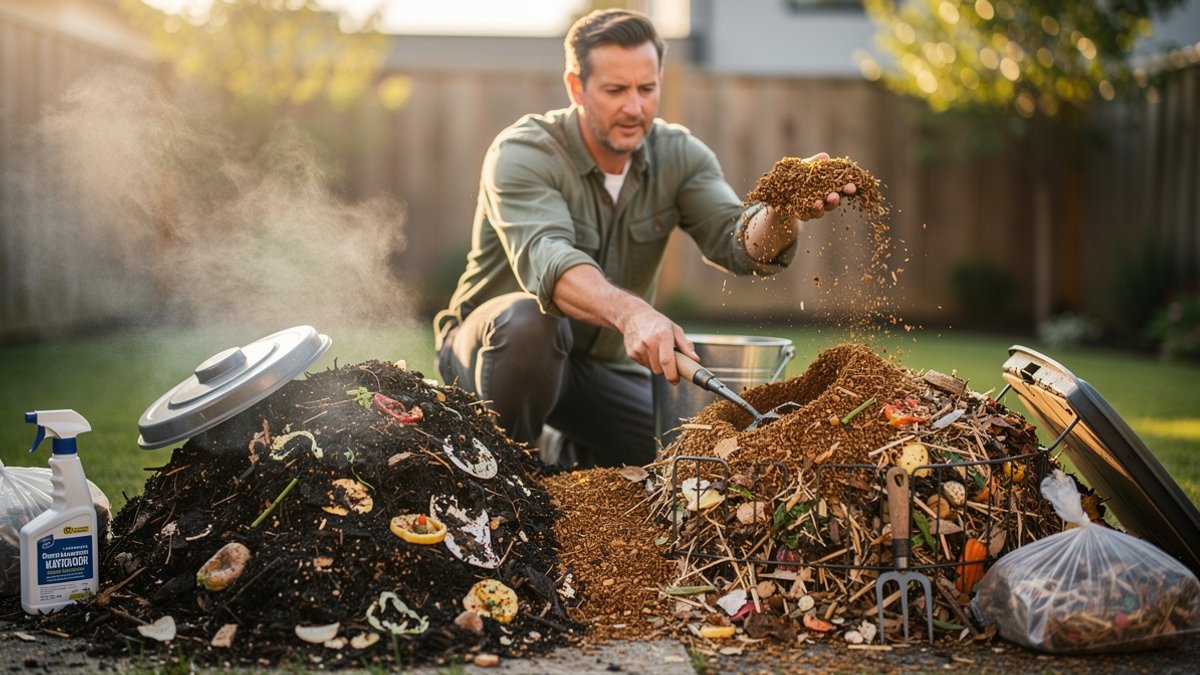
Think adding more green waste or dousing your compost with water will kill the smell? Think again. Tossing extra kitchen scraps or grass clippings onto an already smelly pile is like pouring gasoline on a fire—the real culprit is almost always an overloaded carbon-nitrogen ratio. More moisture from overwatering just drives oxygen out, setting the stage for anaerobic microbes and their truly nasty odors.
The fix isn’t more “help,” it’s smarter compost management. Step one: pause and immediately mix in dry carbon materials like shredded leaves or cardboard. They rebalance the pile, soak up excess moisture, and suffocate those stink-producing microbes. Reaching for a compost accelerator out of desperation? Only use it after rebalancing, or you’ll supercharge the wrong bacterial crowd. Ignore the old myths—odor-free compost starts with the right chemistry, period. For tips on easy-care flowers for your garden, consider plants that don’t need deadheading.
7 Must-Know Tips for a Fresh, Fast-Working Compost Pile
- Let’s cut through compost confusion and zero in on the fixes that actually stop nasty smells fast. First, water is not your enemy or your savior—moisture level is. Your pile should be as damp as a wrung-out sponge, never a dripping mess or powder-dry. Grab a handful, squeeze, and check for one or two drops of water. Anything else means you have a balance problem, and that’s usually where stink takes hold.
- Now, about those layers. Tossing materials in haphazardly is a rookie move. Build smart layers by alternating nitrogen-rich greens with carbon-rich materials like dry leaves, shredded cardboard, or straw. This structure lets the microbes breathe and chew through your scraps efficiently, which is absolutely central for decent thermophilic composting. The myth? More greens will “speed things up”—no, you’ll just get sludge and a funk that chases off helpful critters.
- Aeration matters, but here’s where overzealous turning can backfire. If you’re digging in every day, you’re constantly disrupting the microbe populations that actually break down your pile. Turn your pile only when the core starts to cool down, or if you notice persistent compaction and anaerobic patches. You need oxygen, but you also need a little patience. That’s “compost balance” in action.
- Certain food scraps are compost killers—meat, dairy, greasy leftovers, and pet waste have no place in a healthy pile if you want to avoid nasty odors, pests, or pathogens. Here’s a rapid deodorizer you probably didn’t expect: baking soda. A light dusting can fight off surface acidity and cut sharp odors instantly. Of course, don’t overdo it or you could tip your pH too alkaline and mess with biological activity. For additional ideas on removing unwanted odors at home, check out these natural ways to eliminate stubborn microwave odors.
- Still dealing with an immortal stench? Try sprinkling in some biochar. This super-porous material absorbs excess moisture, neutralizes odors, and even boosts your pile’s microbial profile for the long haul. Finally, don’t just set a calendar for turning—let your nose and the pile’s temperature guide you. If a section stays smelly after you’ve layered and aerated, troubleshoot right away rather than waiting for your next routine check. The result: a compost pile that smells sweet, works faster, and behaves like the soil factory you actually want.
Do You Recognize These Hidden Smell Traps?
- Think your compost pile is safe from stink just because you follow the rules? Think again. The corner you always neglect can turn into a sour pocket of decay—especially if your compost bin design chokes off oxygen flow. A pile with poor air circulation basically asks for trouble, trapping anaerobic odors that make the whole system reek.
- Weather loves to sabotage you too. Heavy rain and humidity overload your pile with moisture, while wild temperature swings mess with temperature control, slowing down decomposition. Do not even get started on pest prevention. Small animals can drag in mystery leftovers or dig around and pull stuff out, making odor issues spiral. Ignore these weak spots and your compost will betray you—fast.
The Real Cost of Ignoring Compost Odors—and Why Fast Action Matters
Letting compost odors linger isn’t just unpleasant. Persistent smells signal bigger issues, warning you that microbial activity is off balance or that your pile risks turning toxic. Odorous piles attract rodents, flies, and even neighborhood complaints—all signs your long-term composting goals are on shaky ground.
Surface fixes only mask the problem. Unless you restore healthy soil conditions and tackle odor prevention at the root, your compost will suffer. Weak microbial colonies mean poor nutrient cycling, sick plants, and piles that stall instead of thrive. Odor is a red flag you can’t afford to ignore, but smart intervention revives your pile and your garden. So, ditch the quick fixes. Real composters solve the source, smell less, and grow more.
FAQ
What is the fastest way to fix a compost pile that smells bad?
The quickest solution is to turn your compost pile thoroughly and add dry, carbon-rich materials like straw or shredded paper. This restores balance and increases airflow, tackling the cause of most compost pile smells.
Are there safe materials I can add to prevent my compost pile from smelling?
Yes, adding materials such as dry leaves, cardboard, or wood chips can absorb excess moisture and balance the compost. This helps reduce compost pile smells and keeps the pile healthy.
Does a smelly compost pile mean it is unsafe to use in the garden?
A compost pile that smells is not dangerous, but it may not be fully composted or balanced yet. Wait until it smells earthy and pleasant before using it around plants to avoid spreading issues.
How often should I turn my compost pile to stop bad smells?
Best Garden Tractors for Big Yards: What You Really Need
How to Propagate Orchids So They Grow Stronger—For Any Variety
Turning your compost pile once a week is ideal for most home setups. Regular turning introduces oxygen, which prevents the anaerobic conditions that cause compost pile smells.
Will adding more kitchen scraps get rid of compost pile smells?
No, adding more kitchen scraps usually makes the smell worse because it increases moisture and nitrogen. Balance your pile with plenty of dry, carbon-rich ingredients to solve odour issues.